Caring for Materials and Finished Work
Simple habits protect tools and work
Good care routines reduce waste, lower costs over time, and keep creative practice uninterrupted. A few modest habits—cleaning brushes, organizing pencils, and protecting paper—go a long way. The practices below are practical, low-effort steps that fit into ordinary studio life.
Storage and environment
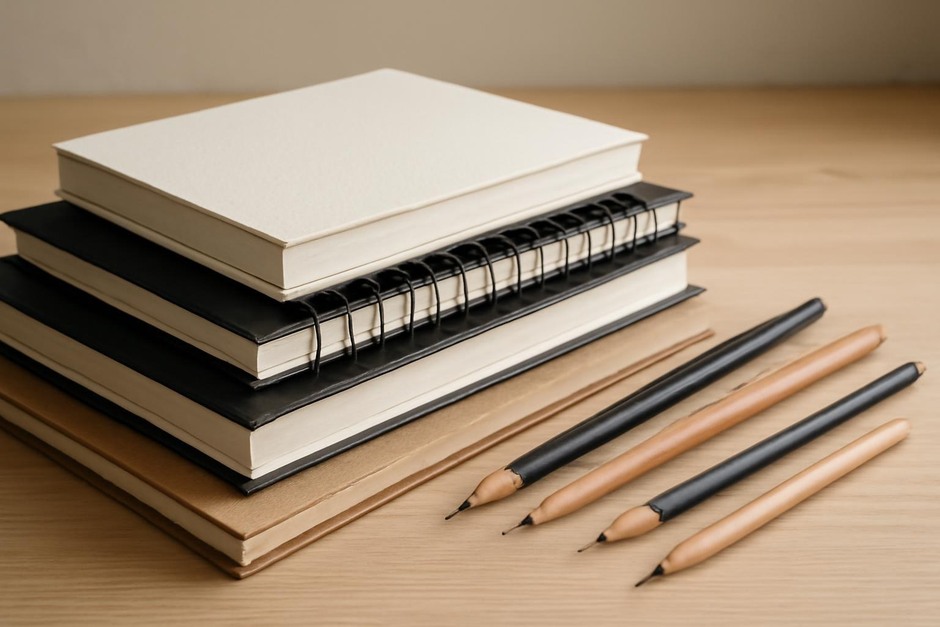
Store paper and sketchbooks flat when possible. Keep them away from damp corners and direct sunlight to avoid warping, staining, or fading. For paints and pigments, a cool, dry area is preferable; extreme heat can alter consistency and shelf life.
Brush care
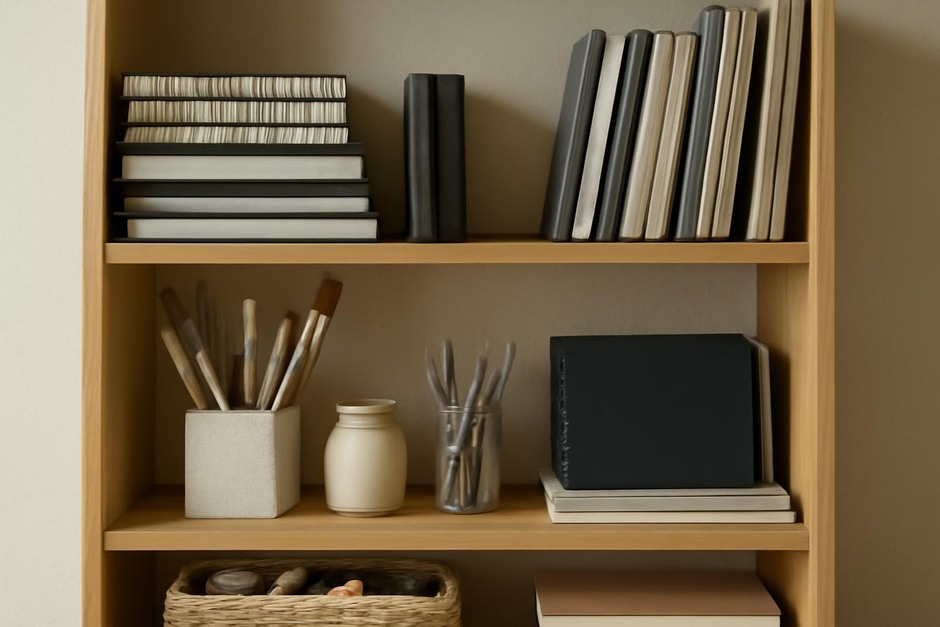
Rinse brushes promptly after use until water runs clear. For water-based media, gentle soap and reshaping the ferrule before drying on their side preserve bristle shape. For brushes used with heavier media, a brief soak followed by careful reshaping prevents splaying. Store brushes upright with bristles up only after they are fully dry.
Pencil and lead maintenance
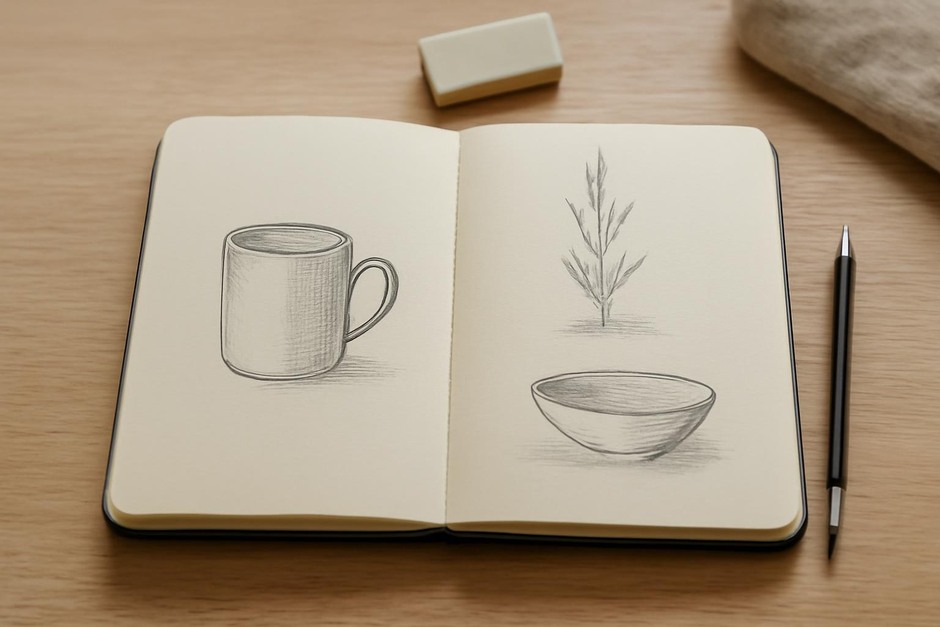
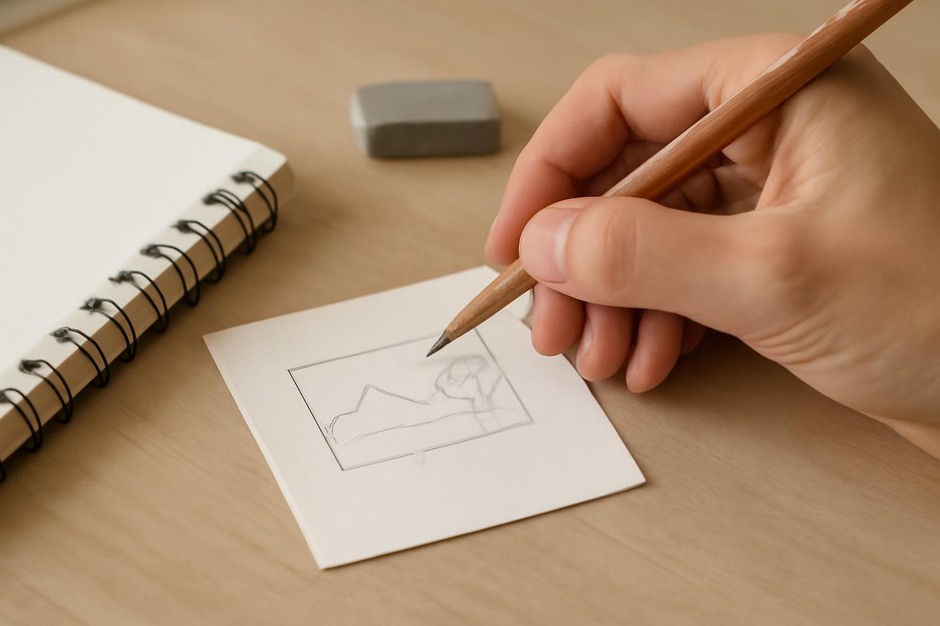
Keep pencils sharpened to a comfortable point. A well-tuned sharpener or sandpaper block lets you control the tip shape. Store spare leads and a small eraser with your kit to avoid interruptions. For mechanical pencils, a few spare leads and a clean mechanism mean fewer frustrations in the field.
Care for wet media
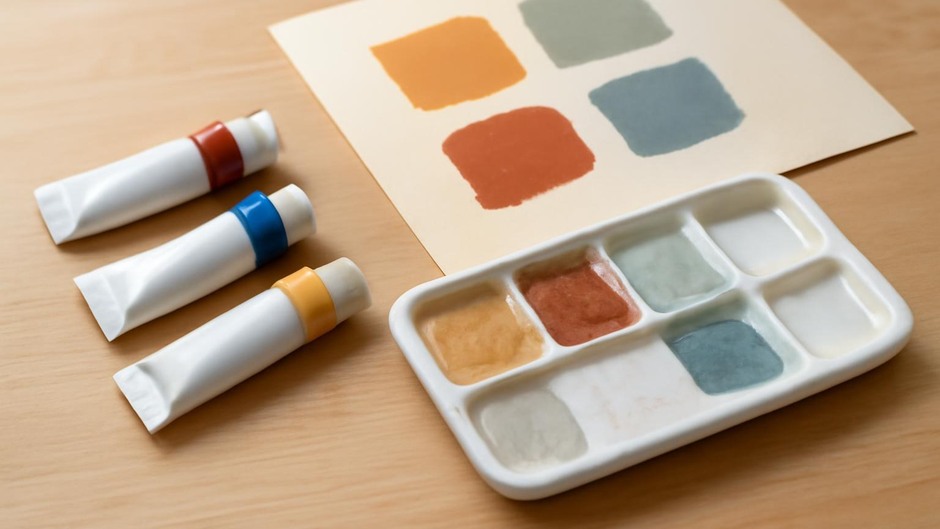
Label opened tubes and jars with the date they were started. For gouache and acrylic, avoid introducing contaminated water; decant small amounts for working and keep the main supply sealed. If a paint thickens, add appropriate medium in small increments rather than excessively thinning it.
Protect finished pages
When a sketchbook page is finished, consider inserting a sheet of tissue or glassine between pages to prevent transfer and smudging. For loose works, use archival folders or portfolios. If you frame work, choose UV-filtering glazing when possible and avoid airtight contact with the surface; a small spacer can prevent sticking and condensation problems.
Routine organization
Spend five to ten minutes at the end of a session to tidy tools and materials. Return tubes to a box, empty palette areas, and align pencils. These small rituals reduce setup time for the next session and make creative time more inviting.
Document and label
Label works with a date and brief note about materials used. This simple record helps later decisions about varnishing, framing, or matching colours. Over time, the log becomes a resource for understanding how materials behaved in past projects.
Material care does not require elaborate systems. Modest, consistent routines keep tools reliable and work protected, so attention can return to making with minimal fuss.