Cultivating Visual Noticing: Exercises to See More Clearly
Why practice noticing?
Seeing is a skill that benefits from deliberate practice. Visual noticing trains you to slow down, parse relationships, and translate perception into marks. The following exercises are compact and repeatable, designed to fit into daily life and sharpen the habits that support observational work.
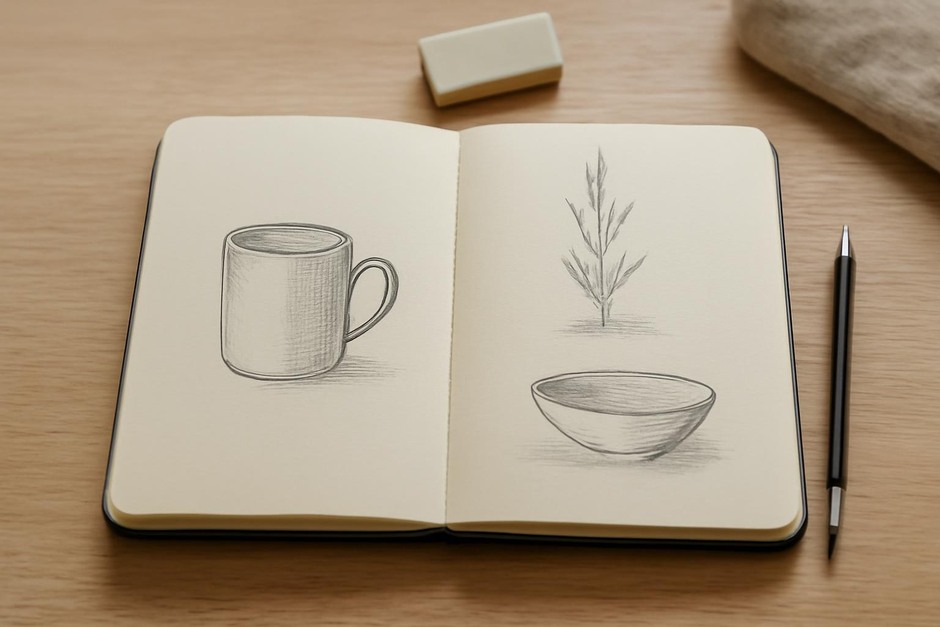
Timed observation
Set a short timer—five to fifteen minutes—and draw a single subject. Restrict yourself to rapid decisions about proportion and value. This constraint forces prioritization: you learn what information matters most and which details can be ignored. Repeat with different subjects to broaden sensitivity.
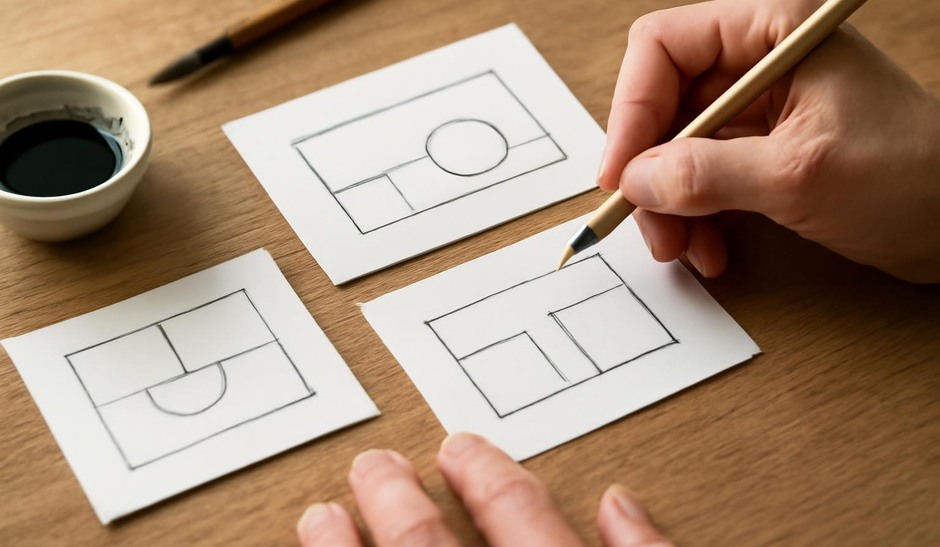
Comparative sketches
Draw the same subject three times with specific changes in each attempt. For example, one study focuses on contour, another on internal shapes or planes, and the third on value relationships. Comparing these quick sketches reveals how different kinds of attention change what you record.
Color subtraction
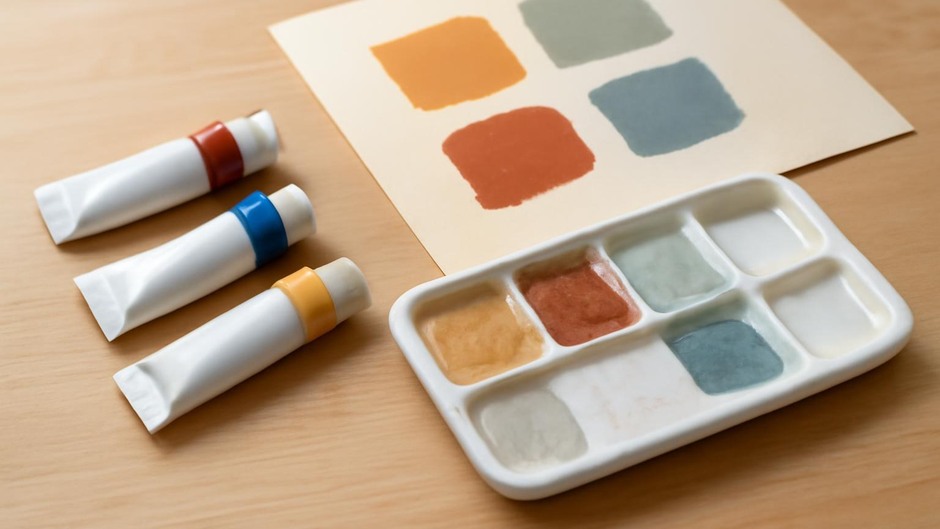
Practice seeing by simplifying color: identify three dominant colors in a scene and paint small swatches of each. Then mix a neutral that sits between them. This exercise clarifies how colors relate and how shifting one element affects the whole.
Edge mapping
Choose a subject and map only the strongest edges—where light meets shadow or where forms intersect. Use a single pencil grade and focus on edge placement rather than texture. The result is a skeletal map of the subject that often improves subsequent, more detailed studies.
Scale shifts
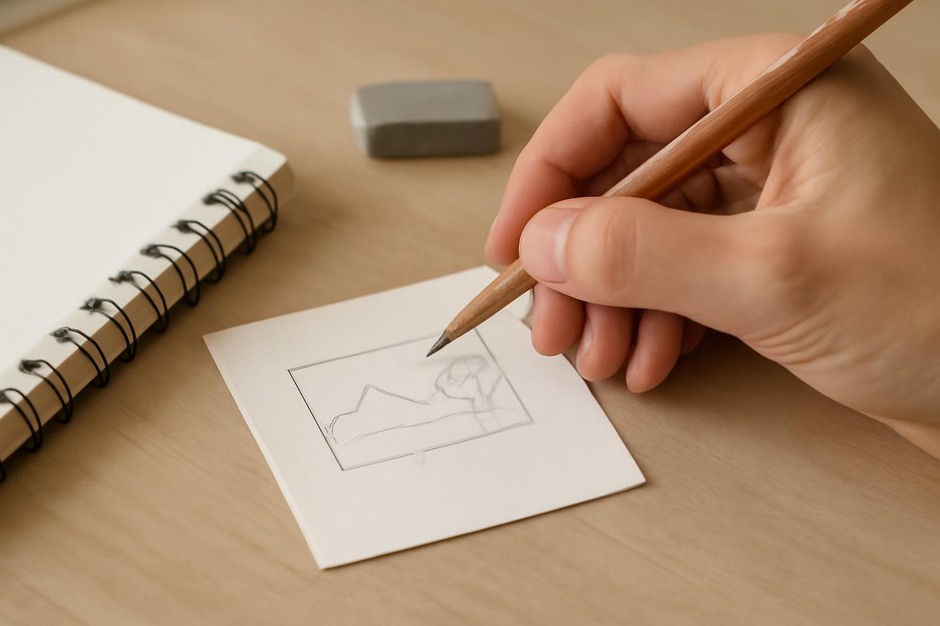
Draw a familiar object at three different scales: very small, medium, and large. Scale changes what you notice: very small formats emphasize overall silhouette, while large formats force attention to surface and subtle value transitions. Moving through scale helps you choose the right format for a given study.
Daily photo-to-sketch habit
When time is limited, take a quick reference photo and then sketch from it for ten minutes. The act of translating a flattened image back into a drawing refines judgment about proportion and value. Use the photo only as a prompt; avoid tracing or perfect replication.
Record observations
End each exercise with a short note: what surprised you, what was difficult, and one thing to try differently next time. These brief reflections build a map of progress and keep practice purposeful without overloading it with analysis.
Regular, focused noticing enlarges your visual vocabulary. These small exercises accumulate, sharpening both perception and decision-making so that everyday scenes become a steady source of material and insight.